Showing posts with label prohibition. Show all posts

Tuesday, February 18, 2025

Progresive Liberalism Fails At Legislating Morality


The New York Times front page, February 17, 1933


It really is enjoyable to commemorate the passage of the Blaine Act which took place on this day 92 years ago. This brief piece of legislation began a year-long process that ended the debacle we know as Prohibition. Granted, overindulgence in alcohol was a national issue by the Gilded Age. At the same time, I doubt few progressive liberals would have expected the degree of lawlessness that engulfed American society as a result of their best intentions. Indeed, a year before the Blaine Act, John D. Rockefeller wrote this appraisal:


When Prohibition was introduced, I hoped that it would be widely supported by public opinion and the day would soon come when the evil effects of alcohol would be recognized. I have slowly and reluctantly come to believe that this has not been the result. Instead, drinking has generally increased; the speakeasy has replaced the saloon; a vast army of lawbreakers has appeared; many of our best citizens have openly ignored Prohibition; respect for the law has been greatly lessened; and crime has increased to a level never seen before.


And here's a photo of The Honorable John J. Blaine, U.S. Senator from Wisconsin, who was responsible for not only writing the act bearing his name but also the 21st Amendment that officially repealed Prohibition.
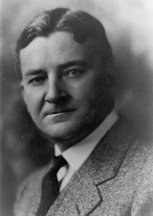


I would suggest a toast this evening to Blaine and his realistic response to moral folly. Oh that we should have such wisdom today!


Sources


Photos and Ilustrations:
The New York Times, rarenewspapers.com
Blaine, public domain photo, bioguide.congress.cov


Text:
Rockefeller quote, "Twenty-first amendment to the United States Constitution," wikipedia.com


Thursday, December 5, 2024

Celebrating Repeal Day: Acknowledging The Failure Of Legislating Morality


From 1920 to 1925, he worked for members of Congress out of an office in the Cannon House Office Building until he was arrested. After a brief hiatus, he returned to serving his loyal customers from 1925 to 1930 only this time he worked from the Russell Senate Office Building. His name was George Cassiday. He was known as "the man in the green hat" and his business was supplying members of Congress with booze during Prohibition. I'd like to say this "booze for me but not for thee" hypocrisy was unacceptible, but tens of milions of Americans also had no issue with ignoring such risible law making. It was after all the decade known as the Roaring Twenties when just about everyone enjoyed the American experience.  

Reason TV has a brief article and five-minute history about Mr. Cassiday and his most interesting job. I'm left to conclude that the period 1920-30 had to be one of the happiest decades in history for our esteemed statesmen on Capital Hill.

And why are we discussing this story today? Today is Repeal Day, celebrating the 91st anniversary of the passage of the Twenty-first Amendement to the United States Constitution and the end of Prohibition. Our thirteen-year (1920-1933) attempt to end alcohol consumption in the United States was a disaster at every level and an object lesson in the futility of legislating morality. 


H.L. Mencken (r) celebrates the end of Prohibition, Rennert Hotel, Baltimore


And it so happens that one of my favorite musical compositions, Carmina Burana, addresses the pervasive nature of alcohol in western civilization. Those unfamiliar with the piece will enjoy the translation below the link. It's a wonderful lesson from the 10th to 13th centuries illustrating why the control of alcohol consumption is a rather frustrating endeavor. This is a fine performance conducted by the composer. I suggest you pour your favorite beverage, find your best earphones and comfortable chair and enjoy the meaning of the day, in moderation, of course. 


Carmina Burana 
Carl Orff, 1935-36


II. In the Tavern
Part 14: When we are in the tavern


When we are in the tavern,
we do not think how we will go to dust,
but we hurry to gamble,
which always makes us sweat.
What happens in the tavern,
where money is host,
you may well ask,
and hear what I say.
Some gamble, some drink,
some behave loosely.
But of those who gamble,
some are stripped bare,
some win their clothes here,
some are dressed in sacks.
Here no-one fears death,
but they throw the dice in the name of Bacchus.
First of all is to the wine-merchant
the libertines drink,
one for the prisoners,
three for the living,
four for all Christians,
five to faithful dead,
six for the loose sisters,
seven for the footpads in the wood,
Eight for the errant brethren,
nine for the dispersed monks,
ten for the seamen,
eleven for the squabblers,
twelve for the penitent,
thirteen for the wayfarers.
To the Pope as to the king
they all drink without restraint.
the mistress drinks, the master drinks
the soldier drinks, the priest drinks,
the man drinks, the woman drinks,
the servant drinks with the maid,
the swift man drinks, the lazy man drinks,
the settled man drinks, the wanderer drinks,
the stupid man drinks, the wise man drinks,
The poor man drinks, the sick man drinks,
the exile drinks, and the stranger,
the boy drinks, the old man drinks,
the bishop drinks, and the deacon,
the sister drinks, the brother drinks,
the old lady drinks, the mother drinks,
this man drinks, that man drinks,
a hundred drink, a thousand drink.
Six hundred pennies would hardly
if everyone drinks
immoderately and immeasurably.
However much they cheerfully drink
we are the ones whom everyone scolds,
and thus we are destitute.
May those who slander us be cursed,
and may their names not be written in the book of the righteous.


You can enjoy the Latin poem and this English version together at the You Tube link.


Cheers!


Tuesday, December 5, 2023

Celebrating Repeal Day


From 1920 to 1925, he worked for members of Congress out of an office in the Cannon House Office Building until he was arrested. After a brief hiatus, he returned to serving his loyal customers from 1925 to 1930 out of an office only this time it was in the Russell Senate Office Building. His name was George Cassiday. He was known as "the man in the green hat" and his business was supplying Congress with booze during Prohibition.

Reason TV has a brief article and five-minute history about Mr. Cassiday and his most interesting job. I'm left to conclude that the period 1920-30 had to be one of the happiest decades in history for our esteemed statesmen on Capital Hill.

And why are we discussing this story today? This is Repeal Day, celebrating the 90th anniversary of the passage of the Twenty-first Amendement to the United States Constitution and the end of Prohibition. This thirteen-year (1920-1933) attempt to end alcohol consumption in the United States was a disaster at every level and an object lesson in the futility of legislating morality.


H.L. Mencken (r) celebrates the end of Prohibition, Rennert Hotel, Baltimore


And it so happens that one of my favorite musical compositions, Carmina Burana, addresses this alcohol theme. Those unfamiliar with the piece will enjoy the translation below the link. It's a wonderful lesson from the 10th to 13th centuries illustrating why the control of alcohol consumption is a rather frustrating endeavor. This is a fine performance conducted by the composer. I suggest you pour your favorite beverage, find your best earphones and comfortable chair and enjoy the meaning of the day in moderation, of course. Cheers!


Carmina Burana (Carl Orff, 1935-36)


II. In the Tavern
Part 14: When we are in the tavern


When we are in the tavern,
we do not think how we will go to dust,
but we hurry to gamble,
which always makes us sweat.
What happens in the tavern,
where money is host,
you may well ask,
and hear what I say.
Some gamble, some drink,
some behave loosely.
But of those who gamble,
some are stripped bare,
some win their clothes here,
some are dressed in sacks.
Here no-one fears death,
but they throw the dice in the name of Bacchus.
First of all is to the wine-merchant
the libertines drink,
one for the prisoners,
three for the living,
four for all Christians,
five to faithful dead,
six for the loose sisters,
seven for the footpads in the wood,
Eight for the errant brethren,
nine for the dispersed monks,
ten for the seamen,
eleven for the squabblers,
twelve for the penitent,
thirteen for the wayfarers.
To the Pope as to the king
they all drink without restraint.
the mistress drinks, the master drinks
the soldier drinks, the priest drinks,
the man drinks, the woman drinks,
the servant drinks with the maid,
the swift man drinks, the lazy man drinks,
the settled man drinks, the wanderer drinks,
the stupid man drinks, the wise man drinks,
The poor man drinks, the sick man drinks,
the exile drinks, and the stranger,
the boy drinks, the old man drinks,
the bishop drinks, and the deacon,
the sister drinks, the brother drinks,
the old lady drinks, the mother drinks,
this man drinks, that man drinks,
a hundred drink, a thousand drink.
Six hundred pennies would hardly
if everyone drinks
immoderately and immeasurably.
However much they cheerfully drink
we are the ones whom everyone scolds,
and thus we are destitute.
May those who slander us be cursed,
and may their names not be written in the book of the righteous.


You can enjoy the Latin poem and this English version together at the You Tube link.


Sources

Photos and Illustrations:
prohibition, baltimoreorless.com/2012/05/the-rise-and-fall-of-prohibition-in-baltimore-maryland-1918-1933
/

Thursday, February 17, 2022

Prohibition Paved The Road To Hell


Today we commemorate the passage of the Blaine Act in 1933. This brief piece of legislation began a year-long process that ended the more than twelve year debacle we know as Prohibition. During this period in the American cultural climate, alcohol - there were a few exceptions - could not be manufactured, sold, or transported in the United States.


Granted, overindulgence in alcohol was a particularly serious national issue by the Gilded Age (late 1870's to 1900) if not before. At the same time, I doubt few progressives from that era could have dreamed of the degree of lawlessness that engulfed American society as a result of their best intentions. Indeed, a year before the Blaine Act, John D. Rockefeller wrote this appraisal:


When Prohibition was introduced, I hoped that it would be widely supported by public opinion and the day would soon come when the evil effects of alcohol would be recognized. I have slowly and reluctantly come to believe that this has not been the result. Instead, drinking has generally increased; the speakeasy has replaced the saloon; a vast army of lawbreakers has appeared; many of our best citizens have openly ignored Prohibition; respect for the law has been greatly lessened; and crime has increased to a level never seen before.


I would suggest a toast this evening to The Honorable John J. Blaine, U.S. Senator from Wisconsin, who was responsible for not only writing the act bearing his name but also the 21st Amendment that officially repealed Prohibition. May his realistic response to the moral folly of legalistic social engineering always be commemorated.


Yes, the road to Hell is paved with good intentions. Oh that we should have such wisdom today!


Sources

Photos and Illustrations:
The New York Times, rarenewspapers.com
Blaine, public domain photo, bioguide.congress.cov


Text:
Rockefeller quote, "Twenty-first amendment to the United States Constitution," wikipedia.com


Sunday, December 5, 2021

"...Throw The Dice In The Name Of Bacchus.": The Farce Of Prohibition Ended 88 Years Ago Today


From 1920 to 1925, he worked for members of Congress out of an office in the Cannon House Office Building until he was arrested. After a brief hiatus, he returned to serving his loyal customers from 1925 to 1930 out of an office only this time it was in the Russell Senate Office Building. His name was George Cassiday. He was known as "the man in the green hat" and his business was supplying Congress with booze during Prohibition.


Reason TV has a brief article and five-minute history about Mr. Cassiday and his most interesting job. I'm left to conclude that the period 1920-30 had to be one of the happiest decades in history for our esteemed statesmen on Capital Hill.

And why are we discussing this story today? This is Repeal Day, celebrating the 88th anniversary of the end (1933) of Prohibition. This thirteen-year (1920-1933) attempt to end alcohol consumption in the United States was a disaster at every level and an object lesson in the futility of legislating morality as well as pervasive political hypocrisy as pointed out in the lead paragraph.


H.L. Mencken (r) celebrates the end of Prohibition, Rennert Hotel, Baltimore


And it so happens that one of my favorite musical composition addresses this alcohol theme. Those unfamiliar with the piece will enjoy the translation below the link. It's a wonderful lesson from the 10th century illustrating why the extinction of alcohol consumption is a rather worthless endeavor. This is a fine performance conducted by the composer. I suggest you pour your favorite beverage, find your best earphones and comfortable chair and enjoy the meaning of the day, in moderation, of course. And if this music doesn't inspire you to do so you'd better check your pulse. Cheers!


Carmina Burana

II. In the Tavern Part 14: When we are in the tavern


                                                   Carl Orff, 1935-36


When we are in the tavern,
we do not think how we will go to dust,
but we hurry to gamble,
which always makes us sweat.
What happens in the tavern,
where money is host,
you may well ask,
and hear what I say.
Some gamble, some drink,
some behave loosely.
But of those who gamble,
some are stripped bare,
some win their clothes here,
some are dressed in sacks.
Here no-one fears death,
but they throw the dice in the name of Bacchus.
First of all is to the wine-merchant
the libertines drink,
one for the prisoners,
three for the living,
four for all Christians,
five to faithful dead,
six for the loose sisters,
seven for the footpads in the wood,
Eight for the errant brethren,
nine for the dispersed monks,
ten for the seamen,
eleven for the squabblers,
twelve for the penitent,
thirteen for the wayfarers.
To the Pope as to the king
they all drink without restraint.
the mistress drinks, the master drinks
the soldier drinks, the priest drinks,
the man drinks, the woman drinks,
the servant drinks with the maid,
the swift man drinks, the lazy man drinks,
the settled man drinks, the wanderer drinks,
the stupid man drinks, the wise man drinks,
the poor man drinks, the sick man drinks,
the exile drinks, and the stranger,
the boy drinks, the old man drinks,
the bishop drinks, and the deacon,
the sister drinks, the brother drinks,
the old lady drinks, the mother drinks,
this man drinks, that man drinks,
a hundred drink, a thousand drink.
Six hundred pennies would hardly suffice
if everyone drinks
immoderately and immeasurably.
However much they cheerfully drink
we are the ones whom everyone scolds,
and thus we are destitute.
May those who slander us be cursed,
and may their names not be written in the book of the righteous.


You can enjoy the Latin poem and this English version together at the You Tube link.


Sources

Photos and Illustrations:
prohibition, baltimoreorless.com/2012/05/the-rise-and-fall-of-prohibition-in-baltimore-maryland-1918-1933/

Wednesday, February 17, 2021

Prohibition: A Lesson On Good Intentions, Morality, And The Road to Hell


Today we commemorate the passage of the Blaine Act in 1933. This brief piece of legislation began a year-long process that ended the more than twelve year debacle we know as Prohibition. During this period in the American cultural climate, alcohol - there were a few exceptions - could not be manufactured, sold, or transported in the United States.


Granted, overindulgence in alcohol was a particularly serious national issue by the Gilded Age (late 1870's to 1900) if not before. At the same time, I doubt few progressives from that era could have dreamed of the degree of lawlessness that engulfed American society as a result of their best intentions. Indeed, a year before the Blaine Act, John D. Rockefeller wrote this appraisal:

When Prohibition was introduced, I hoped that it would be widely supported by public opinion and the day would soon come when the evil effects of alcohol would be recognized. I have slowly and reluctantly come to believe that this has not been the result. Instead, drinking has generally increased; the speakeasy has replaced the saloon; a vast army of lawbreakers has appeared; many of our best citizens have openly ignored Prohibition; respect for the law has been greatly lessened; and crime has increased to a level never seen before.


I would suggest a toast this evening to The Honorable John J. Blaine, U.S. Senator from Wisconsin, who was responsible for not only writing the act bearing his name but also the 21st Amendment that officially repealed Prohibition. May his realistic response to such moral folly always be commemorated.


Oh that we should have such wisdom today!


Sources

Photos and Illustrations:
The New York Times, rarenewspapers.com
Blaine, public domain photo, bioguide.congress.cov


Text:
Rockefeller quote, "Twenty-first amendment to the United States Constitution," wikipedia.com


Saturday, December 5, 2020

Lift Your Glass And Celebrate The End Of Prohibition 87 Years Ago Today


From 1920 to 1925, he worked for members of Congress out of an office in the Cannon House Office Building until he was arrested. After a brief hiatus, he returned to serving his loyal customers from 1925 to 1930 out of an office only this time it was in the Russell Senate Office Building. His name was George Cassiday. He was known as "the man in the green hat" and his business was supplying Congress with booze during Prohibition.

Reason TV has a brief article and five-minute history about Mr. Cassiday and his most interesting job. I'm left to conclude that the period 1920-30 had to be one of the happiest decades in history for our esteemed statesmen on Capital Hill.

And why are we discussing this story today? This is Repeal Day, celebrating the 87th anniversary of the end (1933) of Prohibition. This thirteen-year (1920-1933) attempt to end alcohol consumption in the United States was a disaster at every level and an object lesson in the futility of legislating morality as well as an object lesson in hypocrisy as pointed out in the lead paragraph.


H.L. Mencken (r) celebrates the end of Prohibition, Rennert Hotel, Baltimore


And it so happens that one of my favorite musical composition addresses this alcohol theme. Those unfamiliar with the piece will enjoy the translation below the link. It's a wonderful lesson from the 10th century illustrating why the extinction of alcohol consumption is a rather worthless endeavor. This is a fine performance conducted by the composer. I suggest you pour your favorite beverage, find your best earphones and comfortable chair and enjoy the meaning of the day, in moderation, of course. And if this music doesn't inspire you to do so you'd better check your pulse. Cheers!


Carmina Burana 

Carl Orff, 1935-36


II. In the Tavern Part 14: When we are in the tavern

When we are in the tavern,
we do not think how we will go to dust,
but we hurry to gamble,
which always makes us sweat.
What happens in the tavern,
where money is host,
you may well ask,
and hear what I say.
Some gamble, some drink,
some behave loosely.
But of those who gamble,
some are stripped bare,
some win their clothes here,
some are dressed in sacks.
Here no-one fears death,
but they throw the dice in the name of Bacchus.
First of all is to the wine-merchant
the libertines drink,
one for the prisoners,
three for the living,
four for all Christians,
five to faithful dead,
six for the loose sisters,
seven for the footpads in the wood,
Eight for the errant brethren,
nine for the dispersed monks,
ten for the seamen,
eleven for the squabblers,
twelve for the penitent,
thirteen for the wayfarers.
To the Pope as to the king
they all drink without restraint.
the mistress drinks, the master drinks
the soldier drinks, the priest drinks,
the man drinks, the woman drinks,
the servant drinks with the maid,
the swift man drinks, the lazy man drinks,
the settled man drinks, the wanderer drinks,
the stupid man drinks, the wise man drinks,
The poor man drinks, the sick man drinks,
the exile drinks, and the stranger,
the boy drinks, the old man drinks,
the bishop drinks, and the deacon,
the sister drinks, the brother drinks,
the old lady drinks, the mother drinks,
this man drinks, that man drinks,
a hundred drink, a thousand drink.
Six hundred pennies would hardly
if everyone drinks
immoderately and immeasurably.
However much they cheerfully drink
we are the ones whom everyone scolds,
and thus we are destitute.
May those who slander us be cursed,
and may their names not be written in the book of the righteous.


You can enjoy the Latin poem and this English version together at the You Tube link.


Sources

Photos and Illustrations:
prohibition, baltimoreorless.com/2012/05/the-rise-and-fall-of-prohibition-in-baltimore-maryland-1918-1933/

Thursday, December 5, 2019

A Toast For Repeal Day


From 1920 to 1925, he worked for members of Congress out of an office in the Cannon House Office Building until he was arrested. After a brief hiatus, he returned to serving his loyal customers from 1925 to 1930 out of an office only this time it was in the Russell Senate Office Building. His name was George Cassiday. He was known as "the man in the green hat" and his business was supplying Congress with booze during Prohibition.

Reason TV has a brief article and five-minute history about Mr. Cassiday and his most interesting job. I'm left to conclude that the period 1920-30 had to be one of the happiest decades in history for our esteemed statesmen on Capital Hill.

And why are we discussing this story today? This is Repeal Day, celebrating the 86th anniversary of the end of Prohibition. This thirteen-year (1920-1933) attempt to end alcohol consumption in the United States was a disaster at every level and an object lesson in the futility of legislating morality.


H.L. Mencken (r) celebrates the end of Prohibition, Rennert Hotel, Baltimore

And it so happens that one of my favorite musical composition addresses this alcohol theme. Those unfamiliar with the piece will enjoy the translation below the link. It's a wonderful lesson from the 10th century illustrating why the control of alcohol consumption is a rather frustrating endeavor. This is a fine performance conducted by the composer. I suggest you pour your favorite beverage, find your best earphones and comfortable chair and enjoy the meaning of the day in moderation, of course.  Cheers!


Carmina Burana (Carl Orff, 1935-36)

II. In the Tavern
Part 14: When we are in the tavern


When we are in the tavern,
we do not think how we will go to dust,
but we hurry to gamble,
which always makes us sweat.
What happens in the tavern,
where money is host,
you may well ask,
and hear what I say.
Some gamble, some drink,
some behave loosely.
But of those who gamble,
some are stripped bare,
some win their clothes here,
some are dressed in sacks.
Here no-one fears death,
but they throw the dice in the name of Bacchus.
First of all is to the wine-merchant
the libertines drink,
one for the prisoners,
three for the living,
four for all Christians,
five to faithful dead,
six for the loose sisters,
seven for the footpads in the wood,
Eight for the errant brethren,
nine for the dispersed monks,
ten for the seamen,
eleven for the squabblers,
twelve for the penitent,
thirteen for the wayfarers.
To the Pope as to the king
they all drink without restraint.
the mistress drinks, the master drinks
the soldier drinks, the priest drinks,
the man drinks, the woman drinks,
the servant drinks with the maid,
the swift man drinks, the lazy man drinks,
the settled man drinks, the wanderer drinks,
the stupid man drinks, the wise man drinks,
The poor man drinks, the sick man drinks,
the exile drinks, and the stranger,
the boy drinks, the old man drinks,
the bishop drinks, and the deacon,
the sister drinks, the brother drinks,
the old lady drinks, the mother drinks,
this man drinks, that man drinks,
a hundred drink, a thousand drink.
Six hundred pennies would hardly
if everyone drinks
immoderately and immeasurably.
However much they cheerfully drink
we are the ones whom everyone scolds,
and thus we are destitute.
May those who slander us be cursed,
and may their names not be written in the book of the righteous.


You can enjoy the Latin poem and this English version together at the You Tube link.


Sources

Photos and Illustrations:
prohibition, baltimoreorless.com/2012/05/the-rise-and-fall-of-prohibition-in-baltimore-maryland-1918-1933/


Sunday, February 17, 2019

The Beginning Of The End For The Folly Known As Prohibition


Today we commemorate the passage of the Blaine Act in 1933. This brief piece of legislation began a year-long process that ended the more than twelve year debacle we know as Prohibition.  During this period in the American cultural climate, alcohol - there were a few exceptions - could not be manufactured, sold, or transported in the United States.


Granted, overindulgence in alcohol was a national issue by the Gilded Age (late 1870's to 1900) . At the same time, I doubt few progressives from that era could have dreamed of the degree of lawlessness that engulfed American society as a result of their best intentions. Indeed, a year before the Blaine Act, John D. Rockefeller wrote this appraisal:

When Prohibition was introduced, I hoped that it would be widely supported by public opinion and the day would soon come when the evil effects of alcohol would be recognized. I have slowly and reluctantly come to believe that this has not been the result. Instead, drinking has generally increased; the speakeasy has replaced the saloon; a vast army of lawbreakers has appeared; many of our best citizens have openly ignored Prohibition; respect for the law has been greatly lessened; and crime has increased to a level never seen before.

I would suggest a toast this evening to The Honorable John J. Blaine, U.S. Senator from Wisconsin, who was responsible for not only writing the act bearing his name but also the 21st Amendment that officially repealed Prohibition.  May his realistic response to such moral folly always be commemorated on this day. 


Oh that we should have such wisdom today!


Sources

Photos and Ilustrations:
The New York Times, rarenewspapers.com
Blaine, public domain photo, bioguide.congress.cov


Text:
Rockefeller quote, "Twenty-first amendment to the United States Constitution," wikipedia.com

Saturday, February 17, 2018

Here's A Victory Over Progressivism Just About Every American Can Celebrate


Between 1920 and December 1933 there was a great reform across the United States. It wasn't quite the reform the progressive movement expected.


Today we commemorate the passage of the Blaine Act in 1933. This brief piece of legislation began a year-long process of conventions among the states to adopt an amendment to end the debacle we know as Prohibition. Granted, overindulgence in alcohol was a national issue by the Gilded Age. At the same time, I doubt few liberals would have expected the degree of lawlessness that engulfed American society as a result of their best intentions. Indeed, a year before the Blaine Act, John D. Rockefeller wrote this appraisal:

When Prohibition was introduced, I hoped that it would be widely supported by public opinion and the day would soon come when the evil effects of alcohol would be recognized. I have slowly and reluctantly come to believe that this has not been the result. Instead, drinking has generally increased; the speakeasy has replaced the saloon; a vast army of lawbreakers has appeared; many of our best citizens have openly ignored Prohibition; respect for the law has been greatly lessened; and crime has increased to a level never seen before.


And here's a photo of The Honorable John J. Blaine, U.S. Senator from Wisconsin, who was responsible for not only writing the act bearing his name but also the 21st Amendment that officially repealed Prohibition.


I would suggest a toast this evening to Blaine and his realistic response to moral folly. Oh that we should have such wisdom today!


The New York Times front page from February 17, 1933


Sources

Photos and Illustrations:
The New York Times, rarenewspapers.com
Blaine, public domain photo, bioguide.congress.gov

Text:
Rockefeller quote, "Twenty-first amendment to the United States Constitution," wikipedia.com, reference 3, "Letter on Prohibition - see Daniel Okrent, Great Fortune: The Epic of Rockefeller Center, New York: Viking Press, 2003. (pp.246/7)."


Tuesday, December 5, 2017

Repeal Day: Aid For The Pour


From 1920 to 1925, he worked for members of Congress out of an office in the Cannon House Office Building until he was arrested. After a brief hiatus, he returned to serving his loyal customers from 1925 to 1930 out of an office only this time it was in the Russell Senate Office Building. His name was George Cassiday. He was known as "the man in the green hat" and his business was supplying Congress with booze during the Prohibition.

Reason TV has a brief article and five-minute history about Mr. Cassiday and his most interesting job. I'm left to conclude that the period 1920-30 had to be one of the happiest decades in history for our esteemed statesmen on Capital Hill.


And why are we discussing this story today? This is Repeal Day, celebrating the 84th anniversary of the end of Prohibition. This thirteen-year (1920-1933) attempt to end alcohol consumption in the United States was a disaster at every level and an object lesson is the futility of legislating morality.

 H.L. Mencken, (r) celebrates the end of Prohibition at the Rennert Hotel, Baltimore

And it so happens that one of my favorite musical selections addresses this alcohol theme. Those unfamiliar with the piece will enjoy the translation below the link.  This is a fine performance played as intended by the composer. I suggest you pour your favorite beverage, find your best earphones and comfortable chair and enjoy the meaning of the day.  Cheers!


When we are in the tavern 

When we are in the tavern, 
we do not think how we will go to dust,
but we hurry to gamble, 
which always makes us sweat. 
What happens in the tavern, 
where money is host, 
you may well ask, 
and hear what I say. 
Some gamble, some drink, 
some behave loosely. 
But of those who gamble, 
some are stripped bare, 
some win their clothes here, 
some are dressed in sacks. 
Here no-one fears death, 
but they throw the dice in the name of Bacchus. 
First of all is to the wine-merchant 
the libertines drink, 
one for the prisoners, 
three for the living, 
four for all Christians, 
five to faithful dead, 
six for the loose sisters, 
seven for the footpads in the wood, 
Eight for the errant brethren, 
nine for the dispersed monks, 
ten for the seamen, 
eleven for the squabblers, 
twelve for the penitent, 
thirteen for the wayfarers. 
To the Pope as to the king 
they all drink without restraint. 
the mistress drinks, the master drinks 
the soldier drinks, the priest drinks, 
the man drinks, the woman drinks, 
the servant drinks with the maid, 
the swift man drinks, the lazy man drinks, 
the settled man drinks, the wanderer drinks, 
the stupid man drinks, the wise man drinks, 
The poor man drinks, the sick man drinks, 
the exile drinks, and the stranger, 
the boy drinks, the old man drinks, 
the bishop drinks, and the deacon, 
the sister drinks, the brother drinks, 
the old lady drinks, the mother drinks, 
this man drinks, that man drinks, 
a hundred drink, a thousand drink. 
Six hundred pennies would hardly 
if everyone drinks 
immoderately and immeasurably. 
However much they cheerfully drink 
we are the ones whom everyone scolds, 
and thus we are destitute. 
May those who slander us be cursed, 
and may their names not be written in the book of the righteous.


You can enjoy the Latin poem and this English version together at the You Tube link. 


Sources

Photos and Illustrations:


prohibition, baltimoreorless.com/2012/05/the-rise-and-fall-of-prohibition-in-baltimore-maryland-1918-1933/


Wednesday, February 17, 2016

A Victory Over Liberalism Just About Every American Can Celebrate


The New York Times front page, February 17, 1933
Today we commemorate the passage of the Blaine Act in 1933. This brief piece of legislation began a year-long process that ended the debacle we know as Prohibition. Granted, overindulgence in alcohol was a national issue by the Gilded Age. At the same time, I doubt few liberals would have expected the degree of lawlessness that engulfed American society as a result of their best intentions. Indeed, a year before the Blaine Act, John D. Rockefeller wrote this appraisal:

When Prohibition was introduced, I hoped that it would be widely supported by public opinion and the day would soon come when the evil effects of alcohol would be recognized. I have slowly and reluctantly come to believe that this has not been the result. Instead, drinking has generally increased; the speakeasy has replaced the saloon; a vast army of lawbreakers has appeared; many of our best citizens have openly ignored Prohibition; respect for the law has been greatly lessened; and crime has increased to a level never seen before.

And here's a photo of The Honorable John J. Blaine, U.S. Senator from Wisconsin, who was responsible for not only writing the act bearing his name but also the 21st Amendment that officially repealed Prohibition.


I would suggest a toast this evening to Blaine and his realistic response to moral folly. Oh that we should have such wisdom today!


Sources

Photos and Ilustrations:
The New York Times, rarenewspapers.com
Blaine, public domain photo, bioguide.congress.cov

Text:
Rockefeller quote, "Twenty-first amendment to the United States Constitution," wikipedia.com

Friday, February 20, 2015

Legislation To Restore The Pour


It wasn't until my early thirties and the help of friends and colleagues at Tybee Island that I learned to enjoy a glass of beer. The journey has its beginning a decade earlier at the University of Maryland in College Park. In those ancient days of the 1960's one could not buy a beer legally in Maryland until the age of 21. Fortunately for Maryland students, the campus was little more than two miles from the District of Columbia where beer could be had at the tender age of eighteen. The situation was absurd on several levels least of which was the blurring of jurisdiction and enforcement. It brings us to this February 20, 1933 and legislation introduced in the House of Representatives on Capitol Hill, a mere eight miles from the Maryland campus. 


In 1933, Prohibition - with mixed results - had been in effect across most of the nation since 1920. The halls of Congress were no exception and "the man in the green hat" served his constituency well. His name was George Cassiday and his business was supplying Congress with booze during Prohibition. From 1920 to 1925, he worked for members of Congress out of his office in the Cannon House Office Building until he was arrested for bootlegging. After a brief hiatus, he returned to serving his loyal customers from 1925 to 1930 out of an office in the Russell Senate Office Building. In a confession in a series of articles in The Washington Post prior to the midterm elections he wrote that at least 80% of congressmen and senators had enjoyed his services over the thirteen year period. The series and a sympathetic electorate soon change the political landscape. Voters took revenge on the Republican majority and replaced it with an anti-Prohibition Democrat majority who wasted no time introducing legislation for repeal.  

With the February 20, 1933 introduction of legislation proposing the Twenty-first Amendment to the Constitution the process of repealing the Eighteenth Amendment began. Within ten months Prohibition came to a happy end. If you enjoy a beer or something a tad stronger take a moment to remember this day and the good times it has afforded you and your friends over the decades. You may want to toast the man in the green hat as well. Regardless, I think it makes good sense to remember what cultural research tells us about the subject: we have enjoyed a brew for many thousands of years.  In fact, fermented drink is perhaps the earliest foodway tradition in virtually all cultures.  May the tradition continue verumtamen in iudicio: ut dux vester.


See information section of the video for a translation.

Tuesday, January 22, 2013

Roe v. Wade Turns Forty

Norma McCorvey, plaintiff, "Jane Roe," in Rove v. Wade
Today is the fortieth anniversary of Roe v. Wade, a Supreme Court decision that has done little to settle the question of abortion in American society. OTR abhors the practice along with the decision guaranteeing its universal right, and he would have opposed a decision ensuring its universal denial as well. From a legal perspective, he believes a decision on this matter is best reserved for the states. The best decision, however, does not reside in the courts at all for this is a matter reserved for the heart.

The American experiment has a rather questionable record when it chooses the legal extremes of universal permission or denial in moral matters. Two glaring examples of failure in this arena include the prohibition of alcohol (1919-1933) and the so-called War on Drugs (1914-present, but enhanced since 1970). Although Roe v. Wade brought, among other outcomes, access and safety to the practice of abortion, it gave rise to program abuse, deep social division, and the ethnic cleansing of black America that, sadly, rivals the best intentions of the eugenics movement of a century ago. Indeed, the road to Hell is paved with good intentions.

This is an emotional issue - "a matter reserved for the heart" - and its subjective nature arouses broad opinion. William Katz has a post at Urgent Agenda that shares/shadows the observations above.  Our friends at Real Clear Politics have provided links to Jeffrey Toobin's comments in The New Yorker and those of Gail Collins from The New York Times. The editors at National Review also spoke on the issue earlier today.


Wednesday, December 5, 2012

Congressional Aid For The Pour


The nation's Great Debunker, H.L. Mencken (r), celebrates the end of Prohibition

From 1920 to 1925, he worked for members of Congress out of an office in the Cannon House Office Building until he was arrested. After a brief hiatus, he returned to serving his loyal customers from 1925 to 1930 out of an office only this time it was in the Russell Senate Office Building. His name was George Cassiday. He was known as "the man in the green hat" and his business was supplying Congress with booze during the Prohibition.

Reason TV has a brief article and five-minute history about Mr. Cassiday and his most interesting job. OTR concludes that the period 1920-30 had to be one of the happiest decades in history for our esteemed statesmen on the Hill.

And why are we discussing this story today? This is Repeal Day, celebrating the 79th anniversary of the end of Prohibition. Cheers!!

And it so happens that one of OTR's favorite musical selections addresses this theme. Those unfamiliar with the piece will enjoy the translation provided on the YouTube page by clicking "show me."  Great performance played just as intended by the composer.


Thursday, October 13, 2011

Prohibition Comes To PBS: Don't Miss It

If you're curious about the prohibition of alcohol in the United States, OTR supposes one could always read a general history book or two. For those who seek a more vivid source of information and some entertainment as well there is a new alternative. It is the work of  documentary filmmakers, Ken Burns and Lynn Novick. well-known for their films on the Brooklyn Bridge, the Civil War, baseball, and much more. In Prohibition, they have given us another superb window into our past through their usual fusion of historic images, academic commentary, participants, and music.

This production is an efficient one coming in three episodes totaling about four and one half hours. It has good balance exploring both sides of the issue, but has no qualms about exposing the folly of attempting to legislate morality. That said, one cannot watch this program without seeing the remarkable - perhaps astounding and unsettling - similarities between our earlier war on alcohol and our current war on drug use. OTR will leave it to viewers to draw the conclusions. The important instruction here is a simple one: if you enjoy American history, don't miss Prohibition.


Time for a touch of Dickel on ice.


ShareThis