Showing posts with label ethics. Show all posts

Friday, December 30, 2022

Rudyard Kipling: A Man Of The West Who Met The East Face To Face


Born on this day in Bombay (Mumbai), India, in 1865, the British writer, Rudyard Kipling, was a product of England and India. He infused his writing with the essence of Victorian times and the adventure of empire in a foreign culture he would come to call his own. Eighty years after his death he remains a popular writer, a beacon of reason and rhetoric, among political centrists and conservatives. His works for children, including the Jungle Books and Just So Stories, have never lost their popularity among young readers. It is so unfortunate that cultural relativism over the last forty years has sadly pushed Kipling into literary obscurity in most of academia. Although he may be out of fashion he still reaches across a century into an age of moral relativism and leftist ideological fantasy to remind us that ancient virtues and wisdom will hold us accountable in the end.

Kipling and his wife spent about five years living at Bliss Cottage near Brattleboro, Vermont, just prior to the height of his career. In was in this setting that he produced some of his most memorable work, including Jungle Books, a short story collection entitled The Day's Work, his novel, Captains Courageous, and a volume of poetry, The Seven Seas.

In 1897 he returned to England where he continued writing and was awarded the Nobel Prize in Literature in 1907. In the political and social turmoil in the first quarter of the century he began to fall out out of favor due to his perceived defense of jingoism, colonialism and imperialism.   


Our political and cultural slide to the left in the last few decades has brought Kipling's appreciation of realism to the fore. One of his most quoted poems that speaks to the necessity for reason and the folly of cultural relativism is "The Gods of the Copybook Headings." The title derives from the motivational sayings and watchwords often appearing at the top of pages in a student's copybook or notebook for writing exercises. Many readers have inquired about the poem since it first appeared in this blog some years ago. It's become a tradition of sorts to commemorate Kipling's birthday and the coming of a new year by reposting it each year. I'm pleased to present it once again for the uninitiated and for those in need of a Kipling booster. It is indeed a powerful statement for our time.


The Gods of the Copybook Headings


AS I PASS through my incarnations in every age and race,
I make my proper prostrations to the Gods of the Market Place.
Peering through reverent fingers I watch them flourish and fall,
And the Gods of the Copybook Headings, I notice, outlast them all.

We were living in trees when they met us. They showed us each in turn
That Water would certainly wet us, as Fire would certainly burn:
But we found them lacking in Uplift, Vision and Breadth of Mind,
So we left them to teach the Gorillas while we followed the March of Mankind.

We moved as the Spirit listed. They never altered their pace,
Being neither cloud nor wind-borne like the Gods of the Market Place,
But they always caught up with our progress, and presently word would come
That a tribe had been wiped off its icefield, or the lights had gone out in Rome.

With the Hopes that our World is built on they were utterly out of touch,
They denied that the Moon was Stilton; they denied she was even Dutch;
They denied that Wishes were Horses; they denied that a Pig had Wings;
So we worshiped the Gods of the Market Who promised these beautiful things.

When the Cambrian measures were forming, They promised perpetual peace.
They swore, if we gave them our weapons, that the wars of the tribes would cease.
But when we disarmed They sold us and delivered us bound to our foe,
And the Gods of the Copybook Headings said: "Stick to the Devil you know."

On the first Feminian Sandstones we were promised the Fuller Life
(Which started by loving our neighbour and ended by loving his wife)
Till our women had no more children and the men lost reason and faith,
And the Gods of the Copybook Headings said: "The Wages of Sin is Death."

In the Carboniferous Epoch we were promised abundance for all,
By robbing selected Peter to pay for collective Paul;
But, though we had plenty of money, there was nothing our money could buy,
And the Gods of the Copybook Headings said: "If you don't work you die."

Then the Gods of the Market tumbled, and their smooth-tongued wizards withdrew
And the hearts of the meanest were humbled and began to believe it was true
That All is not Gold that Glitters, and Two and Two make Four
And the Gods of the Copybook Headings limped up to explain it once more.

As it will be in the future, it was at the birth of Man
There are only four things certain since Social Progress began.
That the Dog returns to his Vomit and the Sow returns to her Mire,
And the burnt Fool's bandaged finger goes wabbling back to the Fire;

And that after this is accomplished, and the brave new world begins
When all men are paid for existing and no man must pay for his sins,
As surely as Water will wet us, as surely as Fire will burn,
The Gods of the Copybook Headings with terror and slaughter return!


Oh, East is East, and West is West, and never the twain shall meet,
Till Earth and Sky stand presently at God's great Judgment Seat;
But there is neither East nor West, Border, nor Breed, nor Birth,
When two strong men stand face to face, though they come from the ends of the earth!


                Opening and closing lines of Kipling's poem, 
                "Ballad of East and West"


Thursday, October 6, 2022

National Poetry Day 2022


Being that it's National Poetry Day, here is a poem for our time by a the English writer and journalist, Rudyard Kipling (1865-1936). He tells us so much about the reality of human nature, but unfortunately, his reputation and wisdom has suffered under the wave of postmodernism and its relativism and political correctness that surrounds us today. 


THE GODS OF THE COPYBOOK HEADINGS


AS I PASS through my incarnations in every age and race,
I make my proper prostrations to the Gods of the Market Place.
Peering through reverent fingers I watch them flourish and fall,
And the Gods of the Copybook Headings, I notice, outlast them all.

We were living in trees when they met us. They showed us each in turn
That Water would certainly wet us, as Fire would certainly burn:
But we found them lacking in Uplift, Vision and Breadth of Mind,
So we left them to teach the Gorillas while we followed the March of Mankind.

We moved as the Spirit listed. They never altered their pace,
Being neither cloud nor wind-borne like the Gods of the Market Place,
But they always caught up with our progress, and presently word would come
That a tribe had been wiped off its icefield, or the lights had gone out in Rome.

With the Hopes that our World is built on they were utterly out of touch,
They denied that the Moon was Stilton; they denied she was even Dutch;
They denied that Wishes were Horses; they denied that a Pig had Wings;
So we worshiped the Gods of the Market Who promised these beautiful things.

When the Cambrian measures were forming, They promised perpetual peace.
They swore, if we gave them our weapons, that the wars of the tribes would cease.
But when we disarmed They sold us and delivered us bound to our foe,
And the Gods of the Copybook Headings said: "Stick to the Devil you know."

On the first Feminian Sandstones we were promised the Fuller Life
(Which started by loving our neighbour and ended by loving his wife)
Till our women had no more children and the men lost reason and faith,
And the Gods of the Copybook Headings said: "The Wages of Sin is Death."

In the Carboniferous Epoch we were promised abundance for all,
By robbing selected Peter to pay for collective Paul;
But, though we had plenty of money, there was nothing our money could buy,
And the Gods of the Copybook Headings said: "If you don't work you die."

Then the Gods of the Market tumbled, and their smooth-tongued wizards withdrew
And the hearts of the meanest were humbled and began to believe it was true
That All is not Gold that Glitters, and Two and Two make Four
And the Gods of the Copybook Headings limped up to explain it once more.

As it will be in the future, it was at the birth of Man
There are only four things certain since Social Progress began.
That the Dog returns to his Vomit and the Sow returns to her Mire,
And the burnt Fool's bandaged finger goes wabbling back to the Fire;

And that after this is accomplished, and the brave new world begins
When all men are paid for existing and no man must pay for his sins,
As surely as Water will wet us, as surely as Fire will burn,
The Gods of the Copybook Headings with terror and slaughter return!


The British writer, Rudyard Kipling, was a product of England and India. He infused his writing with the essence of Victorian times and the adventure of empire. Eighty years after his death he remains a popular writer, a beacon of reason and rhetoric, among political centrists and conservatives. His works for children, including the Jungle Books and Just So Stories, have never lost their popularity among young readers. It is so unfortunate that cultural relativism over the last forty years has sadly pushed Kipling into literary obscurity in most of academia. Although he may be out of fashion he still reaches across a century into an age of moral relativism and leftist ideological fantasy to remind us that ancient virtues and wisdom will hold us accountable in the end.


"The Gods of the Copybook Headings" is one of Kipling's most quoted poems. Many readers have inquired about it since its first appearance in this blog some years ago. I am pleased to present it on National Poetry Day for the uninitiated and for those in need of a Kipling stiffener.


Monday, January 17, 2022

"...By The Content Of Their Character."


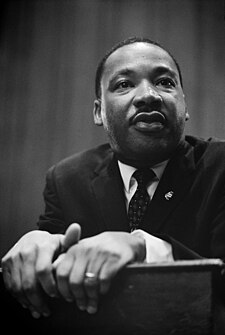
Today is a national holiday observing the birth of the American civil rights leader, Martin Luther King, Jr. His story is well-known but as it slips further into the past we are less likely to recall the deeper and personal impact he had on American culture in his time. Much of that impact lives on in King's words written and spoken eloquently from the mind as well as the heart. In his Powerline post first published on this day in 2005, Scott Johnson captured King's essence so well with his comments inserted between the paragraphs of King's "Letter from Birmingham Jail" and the speech he delivered in Memphis the day before his assassination.


MLK at a press conference in 1964


Here are more words and images of King at his national memorial on the west shore of the Tidal Basin in Washington, D.C.


Sources


Photos and Illustrations:
News conference photo; Library of Congress
All others from National Park Service, Martin Luther King, Jr. Memorial webpage

Thursday, December 30, 2021

A Poet Looks At The Road To A Brave New World


Born on this day in Bombay (Mumbai), India, in 1865, the British writer, Rudyard Kipling, was a product of England and India. He infused his writing with the essence of Victorian times and the adventure of empire in a foreign culture he would come to call his own. Eighty years after his death he remains a popular writer, a beacon of reason and rhetoric, among political centrists and conservatives. His works for children, including the Jungle Books and Just So Stories, have never lost their popularity among young readers. It is so unfortunate that cultural relativism over the last forty years has sadly pushed Kipling into literary obscurity in most of academia. Although he may be out of fashion he still reaches across a century into an age of moral relativism and leftist ideological fantasy to remind us that ancient virtues and wisdom will hold us accountable in the end.

Kipling and his wife spent about five years living at Bliss Cottage near Brattleboro, Vermont, just prior to the height of his career. In was in this setting that he produced some of his most memorable work, including Jungle Books, a short story collection entitled
The Day's Work, his novel, Captain's Courageous, and a volume of poetry, The Seven Seas.


Our political and cultural slide to the left in the last few decades has brought Kipling's appreciation of realism to the fore. One of his most quoted poems that speaks to the necessity for reason and the folly of cultural relativism is "The Gods of the Copybook Headings." The title derives from the motivational sayings and watchwords often appearing at the top of pages in a student's copybook or notebook for writing exercises. Many readers have inquired about the poem since it first appeared in this blog some years ago. It's become a tradition of sorts to commemorate Kipling's birthday and the coming of a new year by reposting it each year. I'm pleased to present it once again for the uninitiated and for those in need of a Kipling booster. It is indeed a powerful statement for our time.


The Gods of the Copybook Headings


AS I PASS through my incarnations in every age and race,
I make my proper prostrations to the Gods of the Market Place.
Peering through reverent fingers I watch them flourish and fall,
And the Gods of the Copybook Headings, I notice, outlast them all.

We were living in trees when they met us. They showed us each in turn
That Water would certainly wet us, as Fire would certainly burn:
But we found them lacking in Uplift, Vision and Breadth of Mind,
So we left them to teach the Gorillas while we followed the March of Mankind.

We moved as the Spirit listed. They never altered their pace,
Being neither cloud nor wind-borne like the Gods of the Market Place,
But they always caught up with our progress, and presently word would come
That a tribe had been wiped off its icefield, or the lights had gone out in Rome.

With the Hopes that our World is built on they were utterly out of touch,
They denied that the Moon was Stilton; they denied she was even Dutch;
They denied that Wishes were Horses; they denied that a Pig had Wings;
So we worshiped the Gods of the Market Who promised these beautiful things.

When the Cambrian measures were forming, They promised perpetual peace.
They swore, if we gave them our weapons, that the wars of the tribes would cease.
But when we disarmed They sold us and delivered us bound to our foe,
And the Gods of the Copybook Headings said: "Stick to the Devil you know."

On the first Feminian Sandstones we were promised the Fuller Life
(Which started by loving our neighbour and ended by loving his wife)
Till our women had no more children and the men lost reason and faith,
And the Gods of the Copybook Headings said: "The Wages of Sin is Death."

In the Carboniferous Epoch we were promised abundance for all,
By robbing selected Peter to pay for collective Paul;
But, though we had plenty of money, there was nothing our money could buy,
And the Gods of the Copybook Headings said: "If you don't work you die."

Then the Gods of the Market tumbled, and their smooth-tongued wizards withdrew
And the hearts of the meanest were humbled and began to believe it was true
That All is not Gold that Glitters, and Two and Two make Four
And the Gods of the Copybook Headings limped up to explain it once more.

As it will be in the future, it was at the birth of Man
There are only four things certain since Social Progress began.
That the Dog returns to his Vomit and the Sow returns to her Mire,
And the burnt Fool's bandaged finger goes wabbling back to the Fire;

And that after this is accomplished, and the brave new world begins
When all men are paid for existing and no man must pay for his sins,
As surely as Water will wet us, as surely as Fire will burn,
The Gods of the Copybook Headings with terror and slaughter return!


Sunday, December 5, 2021

"...Throw The Dice In The Name Of Bacchus.": The Farce Of Prohibition Ended 88 Years Ago Today


From 1920 to 1925, he worked for members of Congress out of an office in the Cannon House Office Building until he was arrested. After a brief hiatus, he returned to serving his loyal customers from 1925 to 1930 out of an office only this time it was in the Russell Senate Office Building. His name was George Cassiday. He was known as "the man in the green hat" and his business was supplying Congress with booze during Prohibition.


Reason TV has a brief article and five-minute history about Mr. Cassiday and his most interesting job. I'm left to conclude that the period 1920-30 had to be one of the happiest decades in history for our esteemed statesmen on Capital Hill.

And why are we discussing this story today? This is Repeal Day, celebrating the 88th anniversary of the end (1933) of Prohibition. This thirteen-year (1920-1933) attempt to end alcohol consumption in the United States was a disaster at every level and an object lesson in the futility of legislating morality as well as pervasive political hypocrisy as pointed out in the lead paragraph.


H.L. Mencken (r) celebrates the end of Prohibition, Rennert Hotel, Baltimore


And it so happens that one of my favorite musical composition addresses this alcohol theme. Those unfamiliar with the piece will enjoy the translation below the link. It's a wonderful lesson from the 10th century illustrating why the extinction of alcohol consumption is a rather worthless endeavor. This is a fine performance conducted by the composer. I suggest you pour your favorite beverage, find your best earphones and comfortable chair and enjoy the meaning of the day, in moderation, of course. And if this music doesn't inspire you to do so you'd better check your pulse. Cheers!


Carmina Burana

II. In the Tavern Part 14: When we are in the tavern


                                                   Carl Orff, 1935-36


When we are in the tavern,
we do not think how we will go to dust,
but we hurry to gamble,
which always makes us sweat.
What happens in the tavern,
where money is host,
you may well ask,
and hear what I say.
Some gamble, some drink,
some behave loosely.
But of those who gamble,
some are stripped bare,
some win their clothes here,
some are dressed in sacks.
Here no-one fears death,
but they throw the dice in the name of Bacchus.
First of all is to the wine-merchant
the libertines drink,
one for the prisoners,
three for the living,
four for all Christians,
five to faithful dead,
six for the loose sisters,
seven for the footpads in the wood,
Eight for the errant brethren,
nine for the dispersed monks,
ten for the seamen,
eleven for the squabblers,
twelve for the penitent,
thirteen for the wayfarers.
To the Pope as to the king
they all drink without restraint.
the mistress drinks, the master drinks
the soldier drinks, the priest drinks,
the man drinks, the woman drinks,
the servant drinks with the maid,
the swift man drinks, the lazy man drinks,
the settled man drinks, the wanderer drinks,
the stupid man drinks, the wise man drinks,
the poor man drinks, the sick man drinks,
the exile drinks, and the stranger,
the boy drinks, the old man drinks,
the bishop drinks, and the deacon,
the sister drinks, the brother drinks,
the old lady drinks, the mother drinks,
this man drinks, that man drinks,
a hundred drink, a thousand drink.
Six hundred pennies would hardly suffice
if everyone drinks
immoderately and immeasurably.
However much they cheerfully drink
we are the ones whom everyone scolds,
and thus we are destitute.
May those who slander us be cursed,
and may their names not be written in the book of the righteous.


You can enjoy the Latin poem and this English version together at the You Tube link.


Sources

Photos and Illustrations:
prohibition, baltimoreorless.com/2012/05/the-rise-and-fall-of-prohibition-in-baltimore-maryland-1918-1933/

Wednesday, December 30, 2020

Rudyard Kipling: A Poet's Appeal For Common Sense


Born on this day in Bombay (Mumbai), India, in 1865, the British writer, Rudyard Kipling, was a product of England and India. He infused his writing with the essence of Victorian times and the adventure of empire in a foreign culture he would come to call his own. Eighty years after his death he remains a popular writer, a beacon of reason and rhetoric, among political centrists and conservatives. His works for children, including the Jungle Books and Just So Stories, have never lost their popularity among young readers. It is so unfortunate that cultural relativism over the last forty years has sadly pushed Kipling into literary obscurity in most of academia. Although he may be out of fashion he still reaches across a century into an age of moral relativism and leftist ideological fantasy to remind us that ancient virtues and wisdom will hold us accountable in the end.

Kipling and his wife spent about five years living at Bliss Cottage near Brattleboro, Vermont, just prior to the height of his career. In was in this setting that he produced some of his most memorable work, including Jungle Books, a short story collection entitled The Day's Work, his novel, Captain's Courageous, and a volume of poetry, The Seven Seas.


Our political and cultural slide to the left in the last few decades has brought Kipling's appreciation of realism to the fore. One of his most quoted poems that speaks to the necessity for reason and the folly of cultural relativism is "The Gods of the Copybook Headings." The title derives from the sage advice often appearing at the top of pages in a student's exercise book. Many readers have inquired about the poem since it first appeared in this blog some years ago. It's become a tradition of sorts to commemorate Kipling's birthday and the coming of a new year by reposting it each year; therefore, I'm pleased to present it once again for the uninitiated and for those in need of a Kipling booster. 
It is indeed a powerful statement for our time.


The Gods of the Copybook Headings

AS I PASS through my incarnations in every age and race,
I make my proper prostrations to the Gods of the Market Place.
Peering through reverent fingers I watch them flourish and fall,
And the Gods of the Copybook Headings, I notice, outlast them all.


We were living in trees when they met us. They showed us each in turn
That Water would certainly wet us, as Fire would certainly burn:
But we found them lacking in Uplift, Vision and Breadth of Mind,
So we left them to teach the Gorillas while we followed the March of Mankind.

We moved as the Spirit listed. They never altered their pace,
Being neither cloud nor wind-borne like the Gods of the Market Place,
But they always caught up with our progress, and presently word would come
That a tribe had been wiped off its icefield, or the lights had gone out in Rome.

With the Hopes that our World is built on they were utterly out of touch,
They denied that the Moon was Stilton; they denied she was even Dutch;
They denied that Wishes were Horses; they denied that a Pig had Wings;
So we worshiped the Gods of the Market Who promised these beautiful things.

When the Cambrian measures were forming, They promised perpetual peace.
They swore, if we gave them our weapons, that the wars of the tribes would cease.
But when we disarmed They sold us and delivered us bound to our foe,
And the Gods of the Copybook Headings said: "Stick to the Devil you know."

On the first Feminian Sandstones we were promised the Fuller Life
(Which started by loving our neighbour and ended by loving his wife)
Till our women had no more children and the men lost reason and faith,
And the Gods of the Copybook Headings said: "The Wages of Sin is Death."

In the Carboniferous Epoch we were promised abundance for all,
By robbing selected Peter to pay for collective Paul;
But, though we had plenty of money, there was nothing our money could buy,
And the Gods of the Copybook Headings said: "If you don't work you die."

Then the Gods of the Market tumbled, and their smooth-tongued wizards withdrew
And the hearts of the meanest were humbled and began to believe it was true
That All is not Gold that Glitters, and Two and Two make Four
And the Gods of the Copybook Headings limped up to explain it once more.

As it will be in the future, it was at the birth of Man
There are only four things certain since Social Progress began.
That the Dog returns to his Vomit and the Sow returns to her Mire,
And the burnt Fool's bandaged finger goes wabbling back to the Fire;

And that after this is accomplished, and the brave new world begins
When all men are paid for existing and no man must pay for his sins,
As surely as Water will wet us, as surely as Fire will burn,
The Gods of the Copybook Headings with terror and slaughter return!


Monday, December 30, 2019

Kipling: A Wise Realist Speaks From The Past


Born on this day in 1865, the British writer, Rudyard Kipling, was a product of England and India. He infused his writing with the essence of Victorian times and the adventure of empire. Eighty years after his death he remains a popular writer, a beacon of reason and rhetoric, among political centrists and conservatives. His works for children, including the Jungle Books and Just So Stories, have never lost their popularity among young readers. It is so unfortunate that cultural relativism over the last forty years has sadly pushed Kipling into literary obscurity in most of academia. Although he may be out of fashion he still reaches across a century into an age of moral relativism and leftist ideological fantasy to remind us that ancient virtues and wisdom will hold us accountable in the end.

Kipling and his wife spent about five years living at Bliss Cottage near Brattleboro, Vermont, just prior to the height of his career. In was in this setting that he produced some of his most memorable work, including the Jungle Books, a short story collection entitled The Day's Work, his novel Captain's Courageous, and a volume of poetry, The Seven Seas.


Our political and cultural slide to the left in the last few decades has brought Kipling's appreciation of realism to the fore. One of his most quoted poems that speaks to the necessity for reason and the folly of cultural relativism is "The Gods of the Copybook Headings." Many readers have inquired about the poem since it appeared in this blog a few years ago. It's become a tradition of sorts to commemorate Kipling's birthday by reposting it each year. It is a power statement for our time.


The Gods of the Copybook Headings


AS I PASS through my incarnations in every age and race,
I make my proper prostrations to the Gods of the Market Place.
Peering through reverent fingers I watch them flourish and fall,
And the Gods of the Copybook Headings, I notice, outlast them all.

We were living in trees when they met us. They showed us each in turn
That Water would certainly wet us, as Fire would certainly burn:
But we found them lacking in Uplift, Vision and Breadth of Mind,
So we left them to teach the Gorillas while we followed the March of Mankind.

We moved as the Spirit listed. They never altered their pace,
Being neither cloud nor wind-borne like the Gods of the Market Place,
But they always caught up with our progress, and presently word would come
That a tribe had been wiped off its icefield, or the lights had gone out in Rome.

With the Hopes that our World is built on they were utterly out of touch,
They denied that the Moon was Stilton; they denied she was even Dutch;
They denied that Wishes were Horses; they denied that a Pig had Wings;
So we worshiped the Gods of the Market Who promised these beautiful things.

When the Cambrian measures were forming, They promised perpetual peace.
They swore, if we gave them our weapons, that the wars of the tribes would cease.
But when we disarmed They sold us and delivered us bound to our foe,
And the Gods of the Copybook Headings said: "Stick to the Devil you know."

On the first Feminian Sandstones we were promised the Fuller Life
(Which started by loving our neighbour and ended by loving his wife)
Till our women had no more children and the men lost reason and faith,
And the Gods of the Copybook Headings said: "The Wages of Sin is Death."

In the Carboniferous Epoch we were promised abundance for all,
By robbing selected Peter to pay for collective Paul;
But, though we had plenty of money, there was nothing our money could buy,
And the Gods of the Copybook Headings said: "If you don't work you die."

Then the Gods of the Market tumbled, and their smooth-tongued wizards withdrew
And the hearts of the meanest were humbled and began to believe it was true
That All is not Gold that Glitters, and Two and Two make Four
And the Gods of the Copybook Headings limped up to explain it once more.

As it will be in the future, it was at the birth of Man
There are only four things certain since Social Progress began.
That the Dog returns to his Vomit and the Sow returns to her Mire,
And the burnt Fool's bandaged finger goes wabbling back to the Fire;

And that after this is accomplished, and the brave new world begins
When all men are paid for existing and no man must pay for his sins,
As surely as Water will wet us, as surely as Fire will burn,
The Gods of the Copybook Headings with terror and slaughter return!


Monday, January 15, 2018

Martin Luther King Jr. Day 2018


Today is a national holiday observing the birth of the American civil rights leader, Martin Luther King Jr. His story is well-known but as it slips further into the past we are less likely to recall the deeper and personal impact he had on American culture in his time. Much of that impact lives on in King's words written and spoken eloquently from the mind as well as the heart. In his Powerline post, first published on this day in 2005, Scott Johnson captured King's essence so well with his comments inserted between the paragraphs of King's "Letter from Birmingham Jail" and the speech he delivered in Memphis the day before his assassination. 

Martin Luther King press conference 01269u edit.jpg


That essence also emerges from words and images of King at his national memorial on the west shore of the Tidal Basin in Washington, D.C. Here are two examples:


Sources

Photos and Illustrations:
News conference photo; Library of Congress
All others; National Park Service, Martin Luther King, Jr. Memorial webpage


Saturday, December 30, 2017

Rudyard Kipling: Courageous Captain Of Language And Experience


Born on this day in 1865, the British writer, Rudyard Kipling, was a product of England and India. He infused his writing with the essence of Victorian times and the adventure of empire. Eighty years after his death he remains a popular writer, a beacon of reason and rhetoric, among political centrists and conservatives. His works for children, including the Jungle Books and Just So Stories, have never lost their popularity among young readers. It is so unfortunate that cultural relativism over the last forty years has sadly pushed Kipling into literary obscurity in most of academia. Although he may be out of fashion he still reaches across a century into an age of moral relativism and leftist ideological fantasy to remind us that ancient virtues and wisdom will hold us accountable in the end.

Kipling and his wife spent about five years living at Bliss Cottage near Brattleboro, Vermont, just prior to the height of his career. In was in this setting that he produced some of his most memorable work, including the Jungle Books, a short story collection entitled The Day's Work, his novel Captain's Courageous, and a volume of poetry, The Seven Seas.


Our political and cultural slide to the left in the last few decades has brought Kipling's appreciation of realism to the fore. One of his most quoted poems that speaks to the necessity for reason and the folly of cultural relativism is  "The Gods of the Copybook Headings." Many readers have inquired about the poem since it appeared in this blog a few years ago.  It's become a tradition of sorts to commemorate Kipling's birthday by reposting it each year. It is a power statement for our time.  

The Gods of the Copybook Headings


AS I PASS through my incarnations in every age and race,
I make my proper prostrations to the Gods of the Market Place.
Peering through reverent fingers I watch them flourish and fall,
And the Gods of the Copybook Headings, I notice, outlast them all.

We were living in trees when they met us. They showed us each in turn
That Water would certainly wet us, as Fire would certainly burn:
But we found them lacking in Uplift, Vision and Breadth of Mind,
So we left them to teach the Gorillas while we followed the March of Mankind.

We moved as the Spirit listed. They never altered their pace,
Being neither cloud nor wind-borne like the Gods of the Market Place,
But they always caught up with our progress, and presently word would come
That a tribe had been wiped off its icefield, or the lights had gone out in Rome.

With the Hopes that our World is built on they were utterly out of touch,
They denied that the Moon was Stilton; they denied she was even Dutch;
They denied that Wishes were Horses; they denied that a Pig had Wings;
So we worshiped the Gods of the Market Who promised these beautiful things.

When the Cambrian measures were forming, They promised perpetual peace.
They swore, if we gave them our weapons, that the wars of the tribes would cease.
But when we disarmed They sold us and delivered us bound to our foe,
And the Gods of the Copybook Headings said: "Stick to the Devil you know."

On the first Feminian Sandstones we were promised the Fuller Life
(Which started by loving our neighbour and ended by loving his wife)
Till our women had no more children and the men lost reason and faith,
And the Gods of the Copybook Headings said: "The Wages of Sin is Death."

In the Carboniferous Epoch we were promised abundance for all,
By robbing selected Peter to pay for collective Paul;
But, though we had plenty of money, there was nothing our money could buy,
And the Gods of the Copybook Headings said: "If you don't work you die."

Then the Gods of the Market tumbled, and their smooth-tongued wizards withdrew
And the hearts of the meanest were humbled and began to believe it was true
That All is not Gold that Glitters, and Two and Two make Four
And the Gods of the Copybook Headings limped up to explain it once more.

As it will be in the future, it was at the birth of Man
There are only four things certain since Social Progress began.
That the Dog returns to his Vomit and the Sow returns to her Mire,
And the burnt Fool's bandaged finger goes wabbling back to the Fire;

And that after this is accomplished, and the brave new world begins
When all men are paid for existing and no man must pay for his sins,
As surely as Water will wet us, as surely as Fire will burn,
The Gods of the Copybook Headings with terror and slaughter return!


Tuesday, June 13, 2017

It's Not The Crime, It's The Cover-Up


We're hearing a lot these days about political lies, deception, and cover-ups after eight years of political lies, deception, and cover-ups that hardly raised an eyebrow in the American "press." When the truth hits a nerve among the populous the consequences can be cleansing as well as painful. Forty-six years ago today the American public finally began to read some truth about their country's involvement in the political struggle of Vietnam from 1945 through mid-1968. It wasn't pretty. In fact, the outrage it, the Kent State murders the year before, and the Watergate scandal in June of 1972 generated, would heighten revolutionary fervor from coast to coast and consume Nixon's presidency in 1974. 


Here is a fine summary of the Pentagon Papers story from history.com:
The New York Times begins to publish sections of the so-called “Pentagon Papers,” a top-secret Department of Defense study of America’s involvement in the Vietnam War. The papers indicated that the American government had been lying to the people for years about the Vietnam War and the papers seriously damaged the credibility of America’s Cold War foreign policy.
In 1967, Secretary of Defense Robert McNamara ordered his department to prepare an in-depth history of American involvement in the Vietnam War. McNamara had already begun to harbor serious doubts about U.S. policy in Vietnam, and the study–which came to be known as the “Pentagon Papers”–substantiated his misgivings. Top-secret memorandums, reports, and papers indicated that the U.S. government had systematically lied to the American people, deceiving them about American goals and progress in the war in Vietnam. The devastating multi-volume study remained locked away in a Pentagon safe for years. In 1971, Daniel Ellsberg, a Defense Department employee who had turned completely against the war, began to smuggle portions of the papers out of the Pentagon. These papers made their way to the New York Times, and on June 13, 1971, the American public read them in stunned amazement. The publication of the papers added further fuel to the already powerful antiwar movement and drove the administration of President Richard Nixon into a frenzy of paranoia about information “leaks.” Nixon attempted to stop further publication of the papers, but the Supreme Court refused to issue an injunction. 
The “Pentagon Papers” further eroded the American public’s confidence in their nation’s Cold War foreign policy. The brutal, costly, and seemingly endless Vietnam War had already damaged the government’s credibility, and the publication of the “Pentagon Papers” showed people the true extent to which the government had manipulated and lied to them. Some of the most dramatic examples were documents indicating that the Kennedy administration had openly encouraged and participated in the overthrow of South Vietnamese President Ngo Dinh Diem in 1963; that the CIA believed that the “domino theory” did not actually apply to Asia; and that the heavy American bombing of North Vietnam, contrary to U.S. government pronouncements about its success, was having absolutely no impact on the communists’ will to continue the fight.

There is more at the history.com site here. And thanks to the National Archives and Records Administration you can read the complete report without redactions here.


Monday, January 16, 2017

Birthday of Martin Luther King, Jr. 2017: Visions Of Peace And Justice


Today is the official holiday commemorating King's birth on January 15, 1929. From the Martin Luther King, Jr. Memorial, Washington:


Sources:

nps.gov/mlkm/, Martin Luther King, Jr. Memorial website, National Park Service

Thursday, October 6, 2016

National Poetry Day 2016


Being that it's National Poetry Day, here is a poem for our time by a poet/writer who tells us so much about the reality of human nature, but has suffered under the wave of relativism and political correctness that surrounds us. 


THE GODS OF THE COPYBOOK HEADINGS

AS I PASS through my incarnations in every age and race,
I make my proper prostrations to the Gods of the Market Place.
Peering through reverent fingers I watch them flourish and fall,
And the Gods of the Copybook Headings, I notice, outlast them all.

We were living in trees when they met us. They showed us each in turn
That Water would certainly wet us, as Fire would certainly burn:
But we found them lacking in Uplift, Vision and Breadth of Mind,
So we left them to teach the Gorillas while we followed the March of Mankind.

We moved as the Spirit listed. They never altered their pace,
Being neither cloud nor wind-borne like the Gods of the Market Place,
But they always caught up with our progress, and presently word would come
That a tribe had been wiped off its icefield, or the lights had gone out in Rome.

With the Hopes that our World is built on they were utterly out of touch,
They denied that the Moon was Stilton; they denied she was even Dutch;
They denied that Wishes were Horses; they denied that a Pig had Wings;
So we worshiped the Gods of the Market Who promised these beautiful things.

When the Cambrian measures were forming, They promised perpetual peace.
They swore, if we gave them our weapons, that the wars of the tribes would cease.
But when we disarmed They sold us and delivered us bound to our foe,
And the Gods of the Copybook Headings said: "Stick to the Devil you know."

On the first Feminian Sandstones we were promised the Fuller Life
(Which started by loving our neighbour and ended by loving his wife)
Till our women had no more children and the men lost reason and faith,
And the Gods of the Copybook Headings said: "The Wages of Sin is Death."

In the Carboniferous Epoch we were promised abundance for all,
By robbing selected Peter to pay for collective Paul;
But, though we had plenty of money, there was nothing our money could buy,
And the Gods of the Copybook Headings said: "If you don't work you die."

Then the Gods of the Market tumbled, and their smooth-tongued wizards withdrew
And the hearts of the meanest were humbled and began to believe it was true
That All is not Gold that Glitters, and Two and Two make Four
And the Gods of the Copybook Headings limped up to explain it once more.

As it will be in the future, it was at the birth of Man
There are only four things certain since Social Progress began.
That the Dog returns to his Vomit and the Sow returns to her Mire,
And the burnt Fool's bandaged finger goes wabbling back to the Fire;

And that after this is accomplished, and the brave new world begins
When all men are paid for existing and no man must pay for his sins,
As surely as Water will wet us, as surely as Fire will burn,
The Gods of the Copybook Headings with terror and slaughter return!


The British writer, Rudyard Kipling, was a product of England and India. He infused his writing with the essence of Victorian times and the adventure of empire. Eighty years after his death he remains a popular writer, a beacon of reason and rhetoric, among political centrists and conservatives. His works for children, including the Jungle Books and Just So Stories, have never lost their popularity among young readers. It is so unfortunate that cultural relativism over the last forty years has sadly pushed Kipling into literary obscurity in most of academia. Although he may be out of fashion he still reaches across a century into an age of moral relativism and leftist ideological fantasy to remind us that ancient virtues and wisdom will hold us accountable in the end.


"The Gods of the Copybook Headings" is one of Kipling's most quoted poems. Many OTR readers have inquired about it since its first appearance in this blog some years ago. I am pleased to present it on National Poetry Day for the uninitiated and for those in need of a Kipling booster.

Monday, January 18, 2016

Martin Luther King, Jr. Day 2016


Today is a national holiday observing the birth of the American civil rights leader, Martin Luther King, Jr. His story is well-known but as it slips further into the past we are less likely to recall the deeper and personal impact he had on American culture in his time. Much of that impact lives on in King's words written and spoken eloquently from the mind as well as the heart. In his Powerline post, first published on this day in 2005, Scott Johnson captured King's essence so well with his comments inserted between the paragraphs of King's "Letter from Birmingham Jail" and the speech he delivered in Memphis the day before his assassination.

Martin Luther King press conference 01269u edit.jpg
MLK at a press conference in 1964

Here are more words and images of King at his national memorial on the west shore of the Tidal Basin in Washington, D.C.


Sources

Photos and Illustrations:
News conference photo; Library of Congress
All others from National Park Service, Martin Luther King, Jr. Memorial webpage


Wednesday, December 30, 2015

Rudyard Kipling: Still Speaking Wisdom


The British writer, Rudyard Kipling, was a product of England and India. He infused his writing with the essence of Victorian times and the adventure of empire. Eighty years after his death he remains a popular writer, a beacon of reason and rhetoric, among political centrists and conservatives. His works for children, including the Jungle Books and Just So Stories, have never lost their popularity among young readers. It is so unfortunate that cultural relativism over the last forty years has sadly pushed Kipling into literary obscurity in most of academia. Although he may be out of fashion he still reaches across a century into an age of moral relativism and leftist ideological fantasy to remind us that ancient virtues and wisdom will hold us accountable in the end.


Today is Kipling's birthday (1865) and it's become a tradition of sorts on this blog to commemorate the event by posting one of his best pieces of wisdom, "The Gods of the Copybook Headings."


AS I PASS through my incarnations in every age and race,
I make my proper prostrations to the Gods of the Market Place.
Peering through reverent fingers I watch them flourish and fall,
And the Gods of the Copybook Headings, I notice, outlast them all.

We were living in trees when they met us. They showed us each in turn
That Water would certainly wet us, as Fire would certainly burn:
But we found them lacking in Uplift, Vision and Breadth of Mind,
So we left them to teach the Gorillas while we followed the March of Mankind.

We moved as the Spirit listed. They never altered their pace,
Being neither cloud nor wind-borne like the Gods of the Market Place,
But they always caught up with our progress, and presently word would come
That a tribe had been wiped off its icefield, or the lights had gone out in Rome.

With the Hopes that our World is built on they were utterly out of touch,
They denied that the Moon was Stilton; they denied she was even Dutch;
They denied that Wishes were Horses; they denied that a Pig had Wings;
So we worshiped the Gods of the Market Who promised these beautiful things.

When the Cambrian measures were forming, They promised perpetual peace.
They swore, if we gave them our weapons, that the wars of the tribes would cease.
But when we disarmed They sold us and delivered us bound to our foe,
And the Gods of the Copybook Headings said: "Stick to the Devil you know."

On the first Feminian Sandstones we were promised the Fuller Life
(Which started by loving our neighbour and ended by loving his wife)
Till our women had no more children and the men lost reason and faith,
And the Gods of the Copybook Headings said: "The Wages of Sin is Death."

In the Carboniferous Epoch we were promised abundance for all,
By robbing selected Peter to pay for collective Paul;
But, though we had plenty of money, there was nothing our money could buy,
And the Gods of the Copybook Headings said: "If you don't work you die."

Then the Gods of the Market tumbled, and their smooth-tongued wizards withdrew
And the hearts of the meanest were humbled and began to believe it was true
That All is not Gold that Glitters, and Two and Two make Four
And the Gods of the Copybook Headings limped up to explain it once more.

As it will be in the future, it was at the birth of Man
There are only four things certain since Social Progress began.
That the Dog returns to his Vomit and the Sow returns to her Mire,
And the burnt Fool's bandaged finger goes wabbling back to the Fire;

And that after this is accomplished, and the brave new world begins
When all men are paid for existing and no man must pay for his sins,
As surely as Water will wet us, as surely as Fire will burn,
The Gods of the Copybook Headings with terror and slaughter return!


"The Gods of the Copybook Headings" is one of Kipling's most quoted poems.  Many OTR readers have inquired about it since its first appearance in this blog some years ago. I am pleased to present it once again for the uninitiated and for those in need of a Kipling booster. 

Tuesday, December 30, 2014

Rudyard Kipling: The Power Of Words


As we are about to welcome in a new year I thought it would be the perfect time to share some advice from one of the most entertaining and significant realists of the last two centuries. Many of us know him for his children's stories. Other may know him through the political and social controversies surrounding the author and his work. Regardless, he is a wise voice calling for us to either reaffirm the universal values that have made our society and civilization a reality or face a perilous future. 


AS I PASS through my incarnations in every age and race,
I make my proper prostrations to the Gods of the Market Place.
Peering through reverent fingers I watch them flourish and fall,
And the Gods of the Copybook Headings, I notice, outlast them all.


We were living in trees when they met us. They showed us each in turn
That Water would certainly wet us, as Fire would certainly burn:
But we found them lacking in Uplift, Vision and Breadth of Mind,
So we left them to teach the Gorillas while we followed the March of Mankind.


We moved as the Spirit listed. They never altered their pace,
Being neither cloud nor wind-borne like the Gods of the Market Place,
But they always caught up with our progress, and presently word would come
That a tribe had been wiped off its icefield, or the lights had gone out in Rome.


With the Hopes that our World is built on they were utterly out of touch,
They denied that the Moon was Stilton; they denied she was even Dutch;
They denied that Wishes were Horses; they denied that a Pig had Wings;
So we worshiped the Gods of the Market Who promised these beautiful things.


When the Cambrian measures were forming, They promised perpetual peace.
They swore, if we gave them our weapons, that the wars of the tribes would cease.
But when we disarmed They sold us and delivered us bound to our foe,
And the Gods of the Copybook Headings said: "Stick to the Devil you know."


On the first Feminian Sandstones we were promised the Fuller Life
(Which started by loving our neighbour and ended by loving his wife)
Till our women had no more children and the men lost reason and faith,
And the Gods of the Copybook Headings said: "The Wages of Sin is Death."


In the Carboniferous Epoch we were promised abundance for all,
By robbing selected Peter to pay for collective Paul;
But, though we had plenty of money, there was nothing our money could buy,
And the Gods of the Copybook Headings said: "If you don't work you die."


Then the Gods of the Market tumbled, and their smooth-tongued wizards withdrew
And the hearts of the meanest were humbled and began to believe it was true
That All is not Gold that Glitters, and Two and Two make Four
And the Gods of the Copybook Headings limped up to explain it once more.


As it will be in the future, it was at the birth of Man
There are only four things certain since Social Progress began.
That the Dog returns to his Vomit and the Sow returns to her Mire,
And the burnt Fool's bandaged finger goes wabbling back to the Fire;


And that after this is accomplished, and the brave new world begins
When all men are paid for existing and no man must pay for his sins,
As surely as Water will wet us, as surely as Fire will burn,
The Gods of the Copybook Headings with terror and slaughter return!


The poem is, of course, The Gods of the Copybook Headings, written by the
the British author, Rudyard Kipling (1865-1936). He was the product of both India and England and infused his writing with the essence of Victorian times and the adventure of empire. Political correctness over the last fifty years has sadly pushed him into literary obscurity in most of academia, but he remains a beacon of reason and rhetoric especially among centrist and conservative thinkers. His works for children have never lost their popularity among young readers. 


Kipling and his wife spent about five years living at Bliss Cottage near Brattleboro, Vermont, just prior to the height of his career. In was in this setting that he produced some of his most memorable work including the Jungle Books, a short story collection, The Day's Work; his novel, Captain's Courageous; and a volume of poetry, The Seven Seas.

Our political and cultural slide to the left in the last few decades has brought Kipling's appreciation of realism to the fore. One of his most quoted poems that speaks to the necessity for reason and the folly of cultural relativism is The Gods of the Copybook Headings. Many readers have inquired about the poem since it appeared in this blog some years ago. I am pleased to present it once again for the uninitiated and for those in need of a Kipling booster.


Monday, May 20, 2013

"I'm Waiting For The Second Coming ... Of John Dean"


Those who remember Watergate know that the story smoked for a long time until it reached the flash point known as John Dean. Once linked to the Watergate crime, he was the insider who did "the right thing" by cooperating with prosecutors thus helping to bring down Richard Nixon. President Nixon had been cultivating the attribute "tricky" since 1950. Fast forward to the unpleasantness surrounding the White House today and we have this from psychiatrist, Jory Goodman:

Notwithstanding the political bent, or bent politics of the MSM, Fox, talk radio, the internet and Drudge, most of what we have now is speculative and circumstantial. So I await the second coming. Will it happen? That's an absolute maybe. But, I'll betcha, among Benghazi, the IRS, Justice, the White House, et. al., there are many people who know the truth and can prove what they know. Will there be one, or a few, with the the cojones to come out, for any of the above reasons, or others (maybe just because they know right from wrong and care about America), and take the savage attacks and accusations they will face?

Thanks to William Katz/Urgent Agenda we have his always astute commentary as well as a link to the rest of Goodman's brief but powerful statement on tipping points and the cost of moral behavior in a hostile world.

Friday, August 26, 2011

The New York Times Retracts A Lie

On Friday, August 19, OTR posted about a piece of scandalous New York Times junk journalism attacking California Congressman Darrell Issa. Issa's attack dog style is a bit much for OTR so he doesn't have any skin in this game other than the pursuit of objective reporting. Well, it seems The Times has begun retracting the story at a slow, steady pace designed to correct the wrong and sweeten the truth for it loyal readers, all at the same time. Here is your story link.

The Times can say anything it wants on the editorial pages and in signed political columns. It would be refreshing to see truth and objectivity in their reporting of the news of the day. Is that really to much to ask of this once-great newspaper?

Monday, June 6, 2011

When Does Weiner's Nose Start Growing?

Looks like Congress's latest iteration of Pinocchio -that would be Anthony Weiner, D-NY, has himself in a big pickle. Today we have a new woman with 200 messages and photos, some of them too explicit for publication. Nevertheless, Big Government and Big Journalism plan on "releasing new photographs throughout the day."

OTR thinks this wretched, screaming moonbat's clock is winding down by the hour. Lots of potential NYC mayoral candidates will be happy to see him resign. His district is overwhelmed by solid democrat thinkers/voters, but at least they will have a chance to improve ethics in the House of Representatives.

H/T to Gateway Pundit.

Wednesday, November 4, 2009

Pay Raises Count As "Saved" Jobs

Never in my lifetime have words coming out of my country's government lost so much meaning. If you have a working brain cell, you can see straight through this deception. It leads me to believe this administration holds its citizens in complete contempt. Here are the details as reported by Hot Air. Note that Chicago officials are reporting that stimulus money saved more jobs than exist. Madness.

ShareThis